Canopy for Maritime
Condition-based monitoring
for critical vessel machinery.
Canopy learns normal machinery behaviour from existing vessel data, then flags abnormal pressure, temperature, load and power patterns before issues escalate.
Book a demo
Turn vessel data into earlier maintenance decisions.
Protect vessel availability
A small machinery issue can quickly become off-hire time, missed commitments or an expensive emergency repair.

Canopy enables technical management and vessel operations teams to identify abnormal behaviour across critical vessel systems, providing earlier warning before problems escalate.
Extend machinery life
Cooling, lubrication, thermal and load-related issues often start as small changes in behaviour.

Canopy detects early drift so teams can act before minor symptoms become component damage.
Reduce unnecessary maintenance
Healthy equipment is often opened, inspected or replaced because the calendar or running-hour schedule says so.

Canopy helps teams focus maintenance on machinery that actually shows signs of abnormal condition.
Control maintenance OPEX
Routine checks, spare parts, late repairs and unnecessary interventions can quickly increase operating costs.

Canopy helps prioritise maintenance work based on actual machinery health, not assumptions.
Monitor the vessel systems that drive downtime and maintenance cost.
Reduce machinery-related downtime risk
Reduce machinery-related downtime risk Canopy learns how critical vessel machinery normally behaves using historical sensor data. It then compares live pressure, temperature, load and power signals against expected behaviour, helping teams spot abnormal drift before it becomes downtime, delay or repair cost.
Monitored components
Main engines & alternators
Propulsion systems
Propulsion systems
Hybrid energy storage systems
Cooling systems
Fuel performance systems
Hydraulic systems
Bilge and ballast systems
Deck machinery
Cranes
Gangways
Topdrives
Fuel and emissions visibility
Fuel use, exhaust conditions and engine performance are closely linked to machinery health. Canopy uses fuel, exhaust, RPM, torque, speed and temperature signals as operating context, helping teams spot abnormal behaviour that may affect efficiency, emissions or maintenance risk.
Required sensors
Fuel consumption meters
Exhaust gas sensors
GPS / speed log
Torque and RPM sensors
Weather station
Temperature and pressure sensors
How Canopy turns vessel data
into early warnings
01
Connect existing vessel data
We start by mapping your vessel data landscape, data sources and protocols.Then we select the relevant machinery signals, connect to your data sources, and prepare the data so Canopy can learn normal machinery behaviour.
02
Learn normal machinery behaviour
Next up, Canopy uses historical vessel data to learn how each machine normally behaves under real operating conditions.This creates a baseline for engines, thrusters, cooling, lubrication, generators, batteries and other critical systems.
03
Monitor live data with expert support
Once Canopy is live, your team can track machinery health, investigate detections and create cases when systems deviate from expected behaviour.

Jungle’s Service Delivery team supports regular reviews and helps turn abnormal signals into maintenance action.
Case study: North Star
Low oil pressure detected before the alarm threshold.
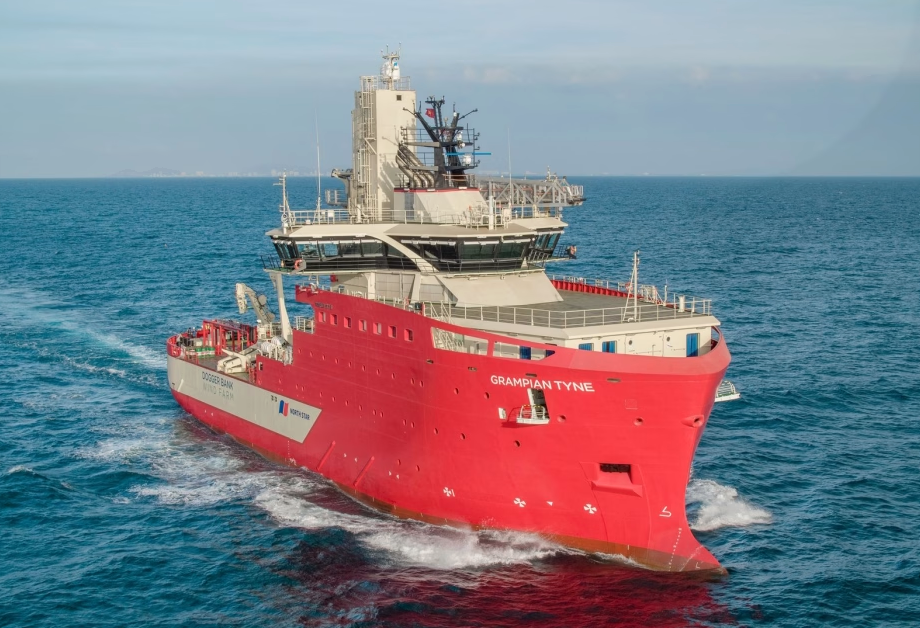
Canopy detected a critical fault in our customer North Star's Grampian Tyne SOV propulsion system, preventing severe operational disruption and saving significant downtime-related losses.
Read case study